Camino de Santiago · Accommodation
How to book an albergue on the Camino (and which ones you can't)
The most repeated question on the forums is not whether there will be a bed, but how you ask for one. The answer depends on the type of albergue: Galicia's public ones cannot be booked by any means; private ones can, and almost never through the channel people expect.
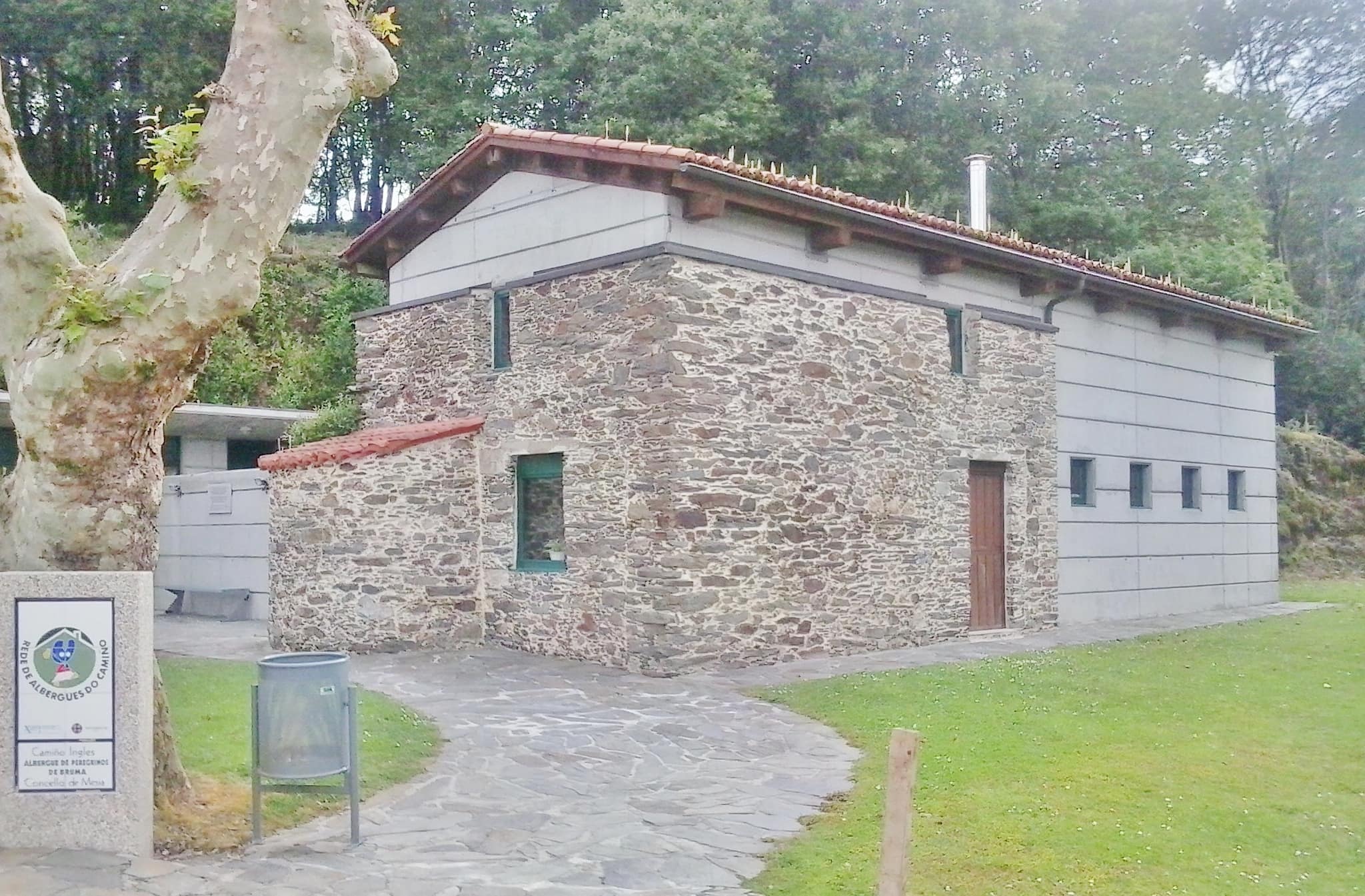
- Xunta public albergues
- €10 · no bookings, first come first served
- Private albergues
- One or two days ahead is nearly always enough
- The channel that works
- WhatsApp to the number Gronze lists
By Cesar Rodriguez · updated
On this page
In the page on whether you will be left without a bed we answered the first question: when you need to book and when you don't. This is the second one, which comes up even more often: how you book. On r/CaminoDeSantiago, the largest English-language Camino forum, we counted 247 threads about booking a bed between January and 25 August 2026, as many as in the whole of 2025 and 60 % more than in 2024. And the doubt is rarely "should I book?"; it is very specific things: whether the municipal albergue can be phoned, whether Gronze books or only lists, whether "sold out" on Booking means the village is full, what to write on WhatsApp to someone who does not speak your language, and how long they hold the bed. All of that follows, type by type and channel by channel, with the official rule where one exists and what pilgrims report where it doesn't.
The short answer
The Xunta de Galicia's public albergues take no bookings, not by phone, not online, not for a higher price: €10 per person per night, first come first served, with priority for pilgrims on foot. With few exceptions the same goes for municipal and parish albergues across Spain and Portugal. Private albergues can be booked, and what works best is a WhatsApp message to the number listed on Gronze or in whichever app you use, one or two days ahead, not months. Platforms like Booking are for the first night, the cities and the cases where nobody answers; for the day-to-day they are the most expensive channel and the one that shows the fewest beds.
What can be booked and what can't, by type of albergue
| Type | Bookable? | How | Indicative price |
|---|---|---|---|
| Xunta public albergue (Galicia) | No, by rule | Turn up from 13:00. Order of arrival. | €10 flat |
| Municipal (rest of Spain, Portugal) | Almost never | Same as above. Known exceptions: Zubiri (own website) and Azofra (phone or email), both €16. | €6-16 |
| Parish and donativo | No, but you let them know | A call or email so they know you are coming; it does not hold a bed. Many are on no app at all. | Donation or €5-12 |
| Private | Yes | WhatsApp or phone 1-2 days ahead; Booking in cities and for the first night. You pay on arrival. | €14-25 a bunk |
| Pensión, hostal, casa rural | Yes | Booking, own website or WhatsApp; direct is usually cheaper. | €35-70 a room |
The distinction that clears up most confusion is the first row. The Galician public network, 76 albergues and more than 3,000 beds, publishes its rules and they are literal: "places will be taken as pilgrims arrive at the albergues, and under no circumstances will bookings be accepted". There is no number you can call that changes this, and anyone who tells you they "phoned and got a bed held" at a Xunta albergue has either mixed up the albergue or met a hospitalero who broke the rule. Outside Galicia the rule is not written down in one place, but it works the same way in the vast majority of municipal albergues: you arrive, show your credencial, pay and pick a bunk. The two exceptions in the table are real and worth knowing because they sit in the first stages of the Francés, where people worry most.
Donativo albergues have their own logic, explained to us by the association that runs those on the Camino Mozárabe and recounted in the beds page: you don't book, but you let them know. The call does not hold a bunk; it means someone knows you are coming and can organise. In those albergues that courtesy is valued far more than in a private one.
The four channels, from the one that works best to the one that works worst
1. WhatsApp
This is how private albergues on the Camino are actually booked, and it is not just our view: across the 136,366 comments on r/CaminoDeSantiago since January 2024, WhatsApp is mentioned 725 times and Booking.com 581. The sequence almost everyone describes is the same: find the albergue on Gronze or in the app, tap the number, send two lines on WhatsApp and get a "vale, apuntados" back within minutes. Advantages over a phone call: it is in writing, you don't need the language in real time, and the hospitalero replies when they can, which in an albergue means between the morning clean and the afternoon arrivals. A template message is further down.
2. Phone
Works just as well if you manage a little Spanish, and it is the only option at albergues without WhatsApp, which are still quite a few among the smallest and among parish ones. The good time to call is mid-morning; at lunchtime and from five in the afternoon the hospitalero is dealing with the people walking in.
3. Own website and email
Some larger albergues and almost all pensiones take bookings on their own site, and there the price is usually the same as or lower than on the platforms, with no commission. Email is a different matter: it is by far the worst-performing channel on the Camino. Everyone who has tried it reports the same thing, messages unanswered for days, and it makes sense: the hospitalero checks the phone a hundred times a day and the inbox once a week.
4. Booking, Airbnb and the rest
They have three clear uses: the first night (Saint-Jean, Sarria, Tui, Ferrol, Oviedo), the cities and the arrival night in Santiago, where it pays to have something fixed; and the case where nobody replies on the other channels. And they have three problems the forums repeat endlessly. First, "sold out" on Booking does not mean the albergue is full: many only list part of their beds on the platform, so a WhatsApp to the same place can find space where the app said there was none. Second, commission: the albergue pays 15-18 % on every booking, and it is not unusual for the direct price to be lower; one pilgrim reported in 2026 a triple room at €140 on Booking and €105 by WhatsApp at the same hostal. Third, cancellation terms are set by each property and free cancellation usually ends one or two days before arrival, exactly when on the Camino you actually decide where you will sleep. Read them before confirming. Hostelworld, a staple of other trips, barely exists here.
How far ahead
One or two days, and that is not a rough figure: it is the window in which you still know where you will be. Booking weeks ahead forces you to walk against a calendar, and the commonest complaint from people who did it is regret: they could not stop when a foot hurt or push on when it felt good, and they lost the money for the nights they didn't make. The pattern that works best, and matches what repeat pilgrims describe, is this:
- The first two or three nights, booked before you leave home. That is when the most people set off together, when you don't yet know your pace, and when improvising with jet lag feels worst.
- The rest, the afternoon or morning before. By WhatsApp from that night's albergue, once you know how the body is doing and how far you want to go.
- Two days in the bottlenecks: Sarria–Santiago from May to September, Redondela–Santiago on the same dates, and single-albergue villages on any route. On those stretches people move in blocks doing the same stage and the good private place fills the day before.
- The arrival night in Santiago, fixed from home. The city has hotels to spare, but the cheap central albergue on an August weekend waits for nobody.
All of this is for private albergues. In the €10 network there is no lead time to speak of: the only variables are what time you arrive (on the last 100 km, in July and August, before two or three in the afternoon; from October to May it barely matters) and the day you started, because, as we explain in the page on the season, what fills the albergues is not the month but how many people set off on the same day as you.
How long they hold the bed, deposits and no-shows
There is no standard time: each albergue sets its own, which is why you should state yours in the message. In forum accounts the figure that comes up most is three in the afternoon: if by then you have neither arrived nor sent word, the bunk goes to the next person through the door, and fair enough. What is universal is that a message fixes it: "arriving at five, walking slowly" is enough for them to keep it.
Deposits are rare in albergues: you pay on arrival, in cash or by card depending on the place, which is why it is worth carrying some cash between one ATM and the next. Some private albergues ask for a card number through Booking or a small deposit by Bizum on high-demand dates, and it is increasingly common among those that have been stood up. Because that is the other side of it: booking and not turning up has consequences for the people behind you. A twenty-bed albergue with four phantom bookings turns away four pilgrims who were actually at the door that afternoon, and some hospitaleros have stopped taking bookings more than two or three days out for exactly that reason. If your plan changes, a one-line WhatsApp is enough, and appreciated.
Where to find the phone number
| Tool | Mentions | What it is for |
|---|---|---|
| Gronze | 1,164 | Directory: phone number, sometimes a booking link. It does not book. |
| 725 | The channel private albergues are actually booked through. | |
| Booking.com | 581 | Platform; the albergue pays commission and rarely lists every bed. |
| Wise Pilgrim | 435 | Paid app; drafts the WhatsApp message in Spanish for you. |
| Buen Camino | 313 | Free app; listings with phone numbers. |
| Airbnb | 263 | Flats and rooms, mostly in cities. |
| Hostelworld | 8 | All but absent from the Camino. |
Gronze is the directory: for every village it lists albergues, pensiones and hotels with phone number, this year's price and, where one exists, a booking link. It is the only source that systematically includes accommodation in the small villages between stages, which are precisely the places with room when the obvious stop is full. What Gronze does not do is book: the link, if there is one, sends you to Booking or to the albergue's own site, and the phone number is for you to write to. Wise Pilgrim, paid, has one feature that explains its popularity among non-Spanish speakers: tapping an albergue's number opens WhatsApp with a booking message already written in Spanish. Buen Camino does the basics for free. And the village tourist office remains the resource that most often rescues a bad day: it knows about rooms in private houses that appear on no app.
What the Xunta's rules say, word for word
Since this is the part most argued about and most often misquoted, here it is from the network's official page (caminodesantiago.gal, "La red de albergues públicos", read on 20 September 2026; our translation of the Spanish text):
- No bookings: "Places will be taken as pilgrims arrive at the albergues, and under no circumstances will bookings be accepted."
- Price: "€10 per person per day, evidenced by the voucher the person in charge of the albergue hands over on payment." Guides that still say €8 predate the increase.
- Priority: "pilgrims with physical limitations, pilgrims on foot, pilgrims on horseback, pilgrims by bicycle and, finally, people travelling in support cars." This is what in practice holds cyclists back: in high season many albergues do not assign them a bed until late afternoon.
- Hours: "Doors open at 13:00 and close at 22:00", lights out at 22:30, and "albergues must be vacated before 8:00 the following morning".
- One night only, "except in case of illness or other force majeure". If you are injured, say so: it is the only route to a second night.
A WhatsApp message that works
Short, with the four things the hospitalero needs, asking for nothing unusual. In Spanish, because that is what they will read; underneath, what each line means.
What usually comes back is "Sí, apuntados" (yes, you're down) or "Sí, sin problema, hasta las X" (fine, until X o'clock), and that is it: no formal confirmation and no advance payment unless they ask. If the answer is "completo", ask in the same message whether they know of anything in the village; hospitaleros recommend each other and it is the fastest way to find the room in a private house that appears nowhere. And if you are a group of more than four, say so from the start: in a twelve-bed albergue it changes the answer.
Etiquette, which is also logistics
- Don't book two places "just in case". It is the main cause of no-shows, and the reason more and more albergues ask for a card or a deposit.
- Cancel with a message as soon as you know you won't make it. One line.
- Don't ask the hospitalero to hold you a bed at another albergue for the next night: it is not a network and they don't call each other for that, though they will give you a number if you ask.
- Arrive when you said or send word; and if you are staying at a Xunta albergue, remember the door opens at one and nobody will see you before then.
How we counted the threads
| Year | Threads |
|---|---|
| 2024 | 152 |
| 2025 | 248 |
| 2026 (to 25 August) | 247 |
Across the forum's public archive to 25 August 2026 we searched titles and bodies for combinations of "book" or "reservar" with "albergue", "bed", "accommodation" or "hostel", plus "how far in advance" and "call ahead". It is a keyword search, so it also catches threads where booking is a side issue, but the bias is the same every year and the trend holds: eight months of 2026 contain as many threads as all of 2025. Tool mentions are counted over comments posted since 1 January 2024. None of those companies pays or has paid us; the table shows what people use, not what we recommend.
Frequently asked questions
Can you book a Xunta public albergue in Galicia?
No, by written rule: the network's official page says places are taken on arrival "and under no circumstances will bookings be accepted". They cost €10 per person per night, open at 13:00 and give priority to pilgrims with physical limitations and to those on foot, then horseback, bicycle and support car. If you need the certainty of a booking, you are choosing a private albergue.
How do you book a private albergue on the Camino de Santiago?
By WhatsApp or phone to the number listed on Gronze or in the app you use, one or two days ahead: who you are, how many of you, which day and what time you arrive, and what you need. You pay on arrival. Booking works for the first night, the cities and when nobody answers, but it does not show every bed and the albergue pays commission.
Does Gronze take bookings?
No: Gronze is a directory. It lists each village's accommodation with phone number, this year's price and sometimes a link to Booking or the property's own site. You make the booking yourself by messaging or calling that number. Its value is that it covers the small villages between stages, which are the ones with room when the popular stop fills up.
How far in advance should you book albergues?
One or two days for most of the route; two in the bottlenecks (Sarria–Santiago and Redondela–Santiago from May to September, single-albergue villages). The first two or three nights and the arrival night in Santiago are worth fixing from home. Booking the whole Camino weeks ahead is the decision most people regret: it forces you to walk against a calendar.
If Booking says "sold out", is the village full?
Not necessarily. Many albergues only list part of their beds on the platforms so as not to pay commission on all of them, so a WhatsApp or a call to the same albergue can find space. And donativo albergues and many small private ones are on no app at all.
How long do they hold a booked bed?
Each albergue sets its own cut-off; the one that comes up most is three in the afternoon. What matters is that you state your arrival time in the message and, if you are going to be later, send word: with a message they keep it. Without one, it is fair for the bunk to go to the next arrival.
Do you pay in advance or leave a deposit?
In albergues almost never: you pay on arrival, in cash or by card depending on the place. Some private albergues ask for a card through Booking or a small deposit by Bizum on high-demand dates, especially those that have suffered no-shows. Pensiones and hotels follow whatever terms the booking states.
Can municipal albergues outside Galicia be booked?
Almost never: most municipal and parish albergues in Spain and Portugal run on order of arrival. The known exceptions on the Francés are the municipal in Zubiri, booked through its website, and the one in Azofra, by phone or email, both €16. Donativo albergues don't take bookings but appreciate a call so they know you are coming.
Related
The first question
Will I be left without a bed?
When you need to book and when you don't, with occupancy data for each route.
When to go
The Camino season, month by month
Which months the last 100 km fill up and what time you need to arrive in each.
Budget
How much the Camino costs
Bed, food and extras per day, with 2026 prices and three sample budgets.